What Does a Smart Ring Do?
A smart ring is a compact wearable that tracks health and wellness signals throughout the day and night. Instead of putting a screen on your wrist, it focuses on passive monitoring, collecting data on sleep, heart rate, activity, recovery, and overall daily patterns in a form factor that is easy to wear for long stretches.
For most people, the real value is not just collecting numbers. A smart ring helps turn those signals into a clearer picture of how your body is doing over time. That is why smart rings appeal to people who want meaningful health data without the bulk, distraction, or visual footprint of a smartwatch.
How Smart Rings Track Your Health Metrics
Smart rings use miniaturized sensors positioned inside the ring to monitor blood-flow patterns, movement, and temperature trends. Those signals are then processed inside the app to help users understand how they slept, how active they were, and whether their body appears well recovered or under more strain than usual.
Because the ring stays in contact with the finger throughout the day and night, it can build a more continuous view of patterns than devices people only wear part of the time. That makes smart rings especially useful for sleep, recovery, and readiness-oriented tracking.
What Makes Smart Rings Different from Fitness Trackers?
Fitness trackers are often built around workouts, screens, and wrist-based interactions. Smart rings usually take a quieter approach. They are designed to stay out of the way while still collecting useful health data, which is a better fit for users who care about all-day comfort, overnight wear, and long-term wellness trends.
That difference matters most at night. A ring is easier to forget about while sleeping, which is one reason smart rings are often associated with sleep tracking and recovery insights rather than just step counting.
What Health Metrics Can Smart Rings Track?
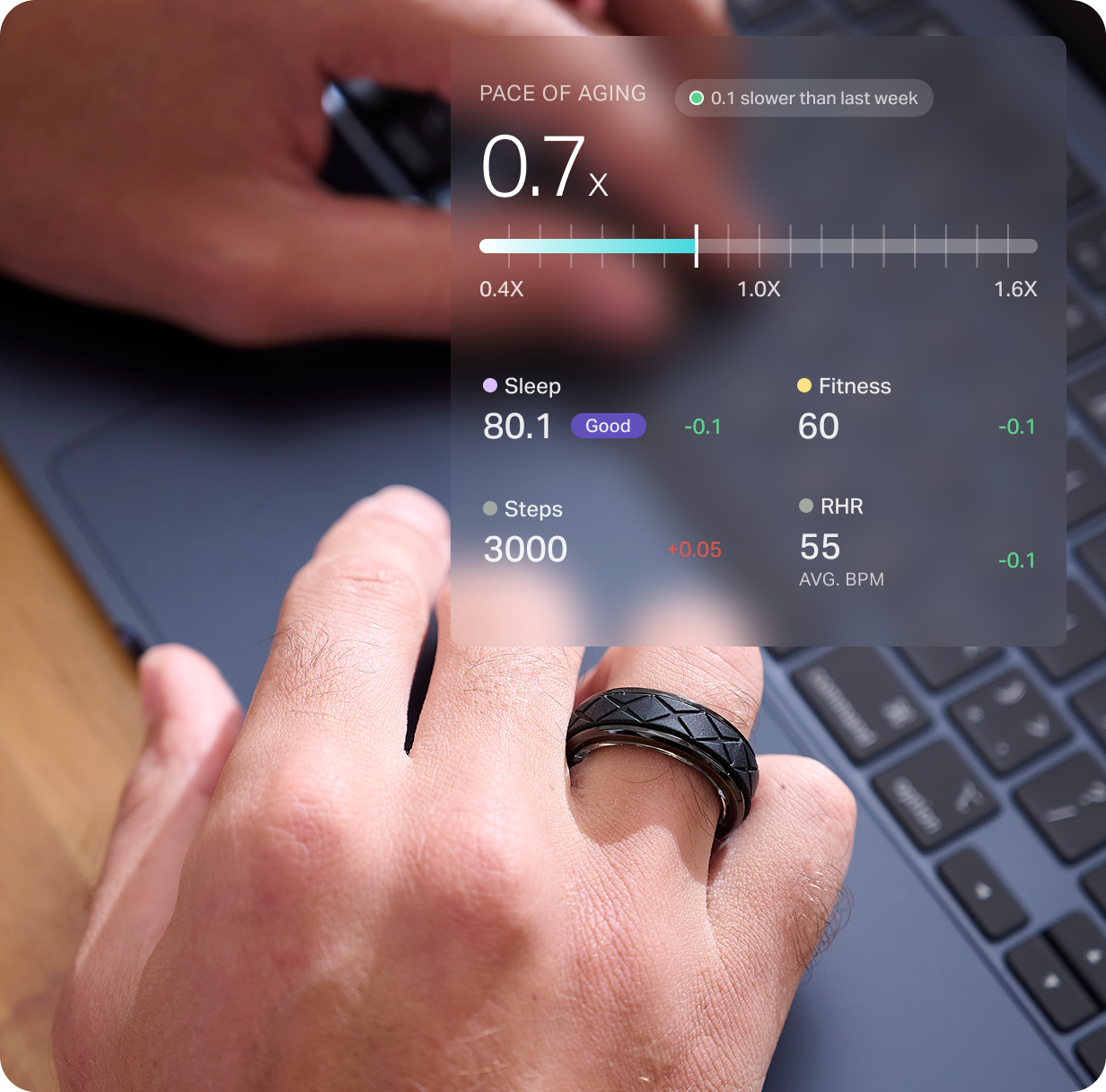
A smart ring is used for monitoring the kinds of body signals that help explain how well you are sleeping, recovering, and functioning day to day. Depending on the product, that can include sleep patterns, heart rate trends, activity levels, stress-related patterns, recovery signals, and body temperature trends.
The point is not to replace a medical device. The point is to make everyday health signals easier to notice, so users can spot patterns, build better routines, and make more informed wellness decisions.
How Smart Rings Monitor Heart Rate and Recovery Signals
Many of these recovery insights are closely connected to heart rate variability (HRV), one of the most commonly used indicators of physiological readiness. That is useful because recovery is often easier to understand when the device captures changes over time instead of isolated check-ins.
For users who train regularly, work long hours, or simply want better awareness of how lifestyle affects energy, these signals can help show when the body appears more rested versus when it may need a lighter day.
What Sleep Data Do Smart Rings Collect?
Sleep tracking is one of the strongest use cases for a smart ring, which is why many users specifically look for a sleep tracking ring when researching wearable health devices. These devices are built to stay comfortable overnight, which makes them practical for capturing sleep duration, sleep-stage patterns, rest quality, and related overnight changes that influence next-day recovery.
That kind of tracking is useful because sleep is where many of the other signals connect. Better sleep can show up in recovery patterns, readiness, and overall daily wellness, while poor sleep often shows up across several metrics at once.
How Smart Rings Track Body Temperature Trends
Some smart rings track relative temperature trends over time, helping users notice deviations from their usual baseline. This type of trend data can be helpful for general wellness awareness because temperature changes often move alongside stress, recovery, sleep disruption, or other routine changes.
The important distinction is that a smart ring is better for trend visibility than for making medical judgments. It helps users notice what is changing, not diagnose why it changed.
What Activity Metrics Do Smart Rings Measure?
A smart fitness ring can also track movement-related signals such as daily activity levels and workout-related patterns. That is where the phrase "what does a fitness ring do" overlaps with smart-ring intent: it is still the same core idea, but with more emphasis on activity, training, and recovery.
In practice, that means a fitness ring is useful for people who want movement awareness without needing a large sports watch on the wrist all day.
How Do Smart Rings Work?
Smart rings work by combining small sensors, onboard processing, and app-based interpretation inside a ring-sized design. The ring captures signals from the body, syncs the information to a smartphone, and then presents the data in a way that is easier to understand over time.
That is why smart rings often feel simpler than they really are. The hardware stays minimal on the outside, while the value shows up in how the app turns passive monitoring into practical insights.
What Sensors Power Smart Ring Technology?
At a high level, smart rings rely on sensor systems that can detect changes related to pulse, movement, and temperature. Together, those signals help the ring interpret what is happening during sleep, activity, and rest periods.
From an SEO perspective, this is also where users asking "what does a smart ring do" usually want a plain-English answer: it reads body signals quietly in the background and turns them into usable wellness information.
How Smart Rings Sync Data to Your Phone
A smart ring does not need a large display to be useful. Instead, it syncs collected data to a companion app, where the numbers become understandable patterns, summaries, and recommendations.
That app layer is a major part of the product experience. Without it, the ring is only a sensor. With it, the device becomes a practical daily tool for understanding sleep, recovery, readiness, and general wellness behavior.
Why Choose a Smart Ring for Daily Wellness?
A smart ring makes sense for people who want health tracking that feels lightweight, discreet, and easy to live with. The biggest advantage is not novelty. It is consistency. If a wearable is comfortable enough to wear through work, rest, travel, and sleep, it has a better chance of collecting the kind of data that shows real patterns.
That is also why smart rings often appeal to people who tried other wearables and stopped using them. The lower-friction design can make it easier to stick with the habit.
What Are the Comfort Benefits of Smart Rings?
Compared with larger wearables, smart rings feel more subtle in everyday life. They do not dominate the wrist, pull against the arm during sleep, or draw attention in professional settings. For users who care about both health tracking and aesthetics, that matters.
Material choice also affects comfort. Well-designed rings use durable materials that support all-day wear while keeping the device light enough to stay unobtrusive.
How Smart Rings Support Sleep and Recovery
Sleep and recovery are where smart rings often create the most value. A ring can quietly track overnight patterns, then help users connect that data to how they feel the next day. Over time, that creates a stronger foundation for habit changes around bedtime consistency, training load, stress management, and overall routine quality.
For many users, that is the real answer to "what is a smart ring used for". It is not just for counting data points. It is for understanding how daily behavior affects how the body feels and performs.
Why Some Users Prefer a Ring Over a Smartwatch
Smartwatches are broader devices. They handle notifications, screens, apps, and sometimes advanced workout features. Smart rings are narrower on purpose. They focus on passive health tracking, comfort, and discretion.
That is why smartwatch intent should not dominate this page. Someone searching "wearable technology" is often looking for a broad category definition. Someone searching "what does a smart ring do" usually wants a direct explanation of why a ring might be a better fit for sleep, recovery, and always-on wellness tracking.
Why the Classic and Sporty Models Matter
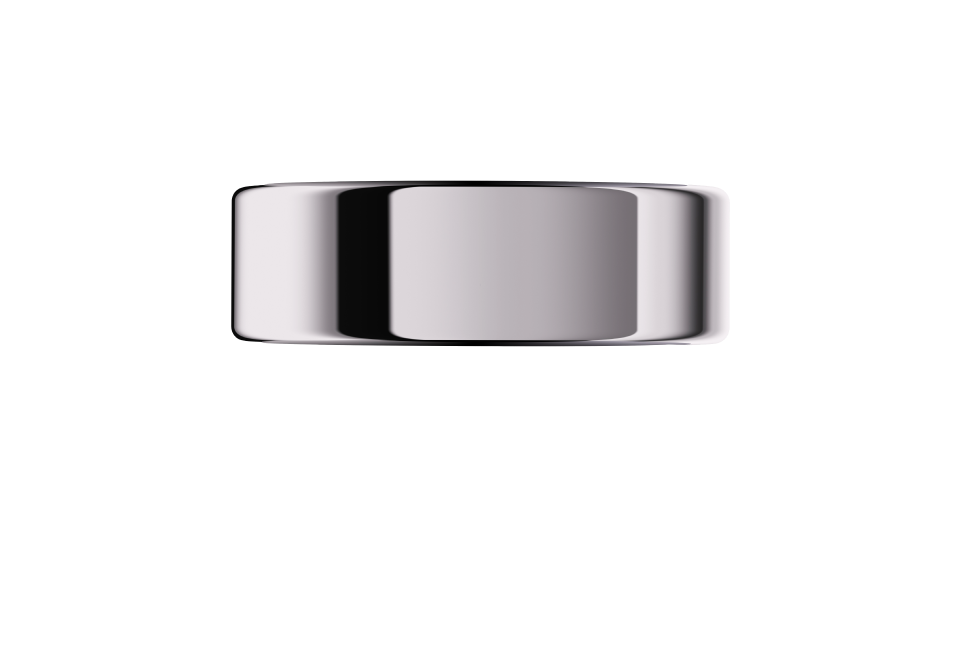
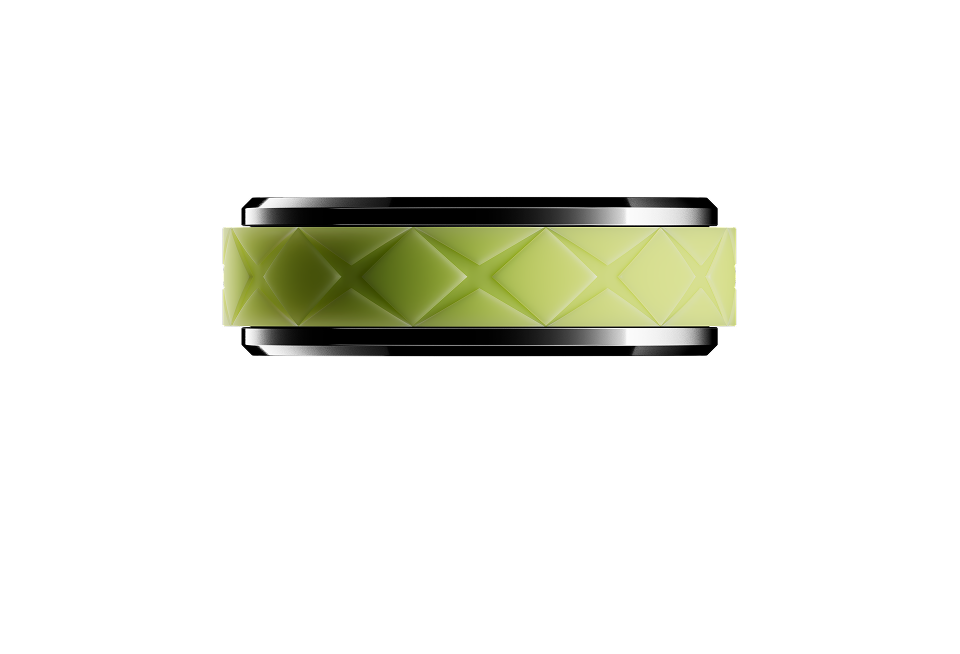
CUDIS offers two clear product expressions. The CUDIS 002 Classic Ring is positioned as a lightweight titanium smart ring for sleep, recovery, stress, and daily wellness. The CUDIS 002 Sporty Ring is positioned as a smart fitness ring for training, recovery, sleep, stress, and daily activity.
That split matters because it lets the brand speak to two overlapping audiences on the same page. One audience wants a refined everyday smart ring. The other wants a more active-use option with a titanium core and abrasion-resistant silicone outer band. Both still connect back to the same central intent: useful health tracking without subscription friction.
When Does a Smart Ring Make Sense for You?
A smart ring is a strong fit for users who want ongoing wellness awareness without committing to a large wearable. It is especially relevant for people focused on sleep, recovery, stress awareness, comfort during overnight wear, and a lower-profile alternative to wrist-based devices.
It can also make sense for users who want a fitness ring but do not need a screen-first experience. In that case, the value comes from passive tracking and habit visibility rather than constant device interaction.
Who Benefits Most from Smart Ring Technology?
The strongest fit is usually health-conscious users who want better visibility into daily patterns, professionals who prefer discreet wearables, and people who care about sleep and recovery as much as workout activity.
For CUDIS specifically, the page should also speak to users who are tired of subscription-heavy wearables and want a simpler value proposition.
What Limitations Should Users Keep in Mind?
Smart rings are not all-purpose devices. They are narrower than smartwatches, and that is part of the tradeoff. Users looking for a screen, message handling, or detailed on-device interaction may still prefer a watch.
But for users whose main goal is passive health tracking in a smaller form factor, that narrower focus is often a strength rather than a weakness.
Smart Ring FAQ
What does a smart ring do?
A smart ring tracks health and wellness signals such as sleep, heart-rate patterns, activity, recovery, and related daily trends. Its goal is to help users understand how their body is doing over time through passive, always-on monitoring.
What is a smart ring used for?
A smart ring is used for ongoing wellness awareness, especially around sleep quality, recovery, readiness, activity patterns, and general day-to-day health behavior. Many users choose one because it is easier to wear consistently than a larger device.
What does a fitness ring do?
A fitness ring focuses more directly on movement, training-related patterns, recovery, and activity visibility. It still overlaps heavily with smart-ring use cases, but the framing is more performance- and activity-oriented.
What is the difference between the CUDIS Classic and CUDIS Sporty rings?
The Classic model is positioned around lightweight titanium everyday wellness tracking, while the Sporty model is positioned more toward training, recovery, sleep, stress, and daily activity. The Sporty version also uses a titanium core with an abrasion-resistant silicone outer band.
Is this page the right place to target wearable technology keywords?
Not as a primary focus. Broad wearable-technology keywords carry a wider, more top-of-funnel intent. This page is better used to target smart-ring explainer intent and then briefly clarify how a ring compares with other wearables.