

Heart Rate Variability (HRV) is one of the most reliable indicators of autonomic nervous system health and overall well-being. A higher HRV means your body handles stress better and recovers faster — whether you're an athlete or just trying to sleep well. In this article, we cover 7 evidence-based strategies to improve HRV, from lifestyle changes and exercise to biofeedback techniques. Stress, poor habits, and lack of awareness are the most common reasons people have low HRV. Understanding these strategies is the first step toward better health, and we'll also show how the CUDIS Smart Ring can help you track your progress and explain the benefits of smart ring technology for long-term wellness.
What Is the Importance of Heart Rate Variability?
Heart rate variability refers to the variation in time between heartbeats, which shows the status of the autonomic nervous system. High HRV indicates that the autonomic nervous system is healthy, which helps in stress management and recovery. It is important since it can show whether one is good at stress adaptation and whether they can hold homeostasis. It provides an opportunity to assess your health and make informed decisions.
How Is HRV an Indicator of Nervous System Equilibrium?
Heart rate variability (HRV) is a powerful measuring instrument that is employed in determining both the sympathetic and the parasympathetic nervous systems' dominance. The sympathetic branch of the nervous system is activated by the 'fight or flight' response, while the parasympathetic system is activated by 'rest and digest' activities. HRV being high means that the parasympathetic system is high as well, denoting a potential ability to deal well with stress and having fluency in recovery from that stress. High HRV indicates good recovery from stress. Being low suggests the presence of stress, severe fatigue, and/or other underlying medical conditions, requiring an intervention that can enhance HRV.
What Are Healthy HRV Scores and Their Significance?
Healthy HRV scores vary widely depending on age, fitness level, and individual health variables. A high HRV score indicates strong cardiovascular health and a low level of stress. Average HRV scores for adults are typically between 20 and 200 milliseconds, but athletes can have even higher scores. Knowing these values is essential for tracking health conditions and adjusting lifestyles to improve HRV.
Which Evidence-Based Strategies Effectively Increase Vagal Tone and HRV?
There are several evidence-based strategies that effectively improve vagal tone and HRV. These range from lifestyle changes, exercise practices to biofeedback. They can greatly improve HRV with several health benefits.
How Can Lifestyle Changes Improve HRV Naturally?
Natural lifestyles can improve HRV. Here are the tips: Diet changes: healthy diet with omega-3, antioxidants and whole foods can help heart health and HRV! Mindfulness based practices, meditation, and breathing exercises reduce stress and increase vagal tone. Sleep Hygiene: preferences such as improved sleep quality, sleeping time regularity, and quality of sleep environment can help HRV.
These changes in lifestyle can improve heart rate variability and health.
What Role Does Physical Exercise Play in HRV Recovery Methods?
Physical exercise plays a major role in HRV recovery. Aerobic activities like jogging, cycling, and swimming strengthen cardiovascular function, while resistance training promotes metabolic improvement — both contribute to higher HRV. For optimal benefits, aim for at least 150 minutes of moderate-intensity exercise per week.
How Do HRV Biofeedback Techniques Facilitate ANS Improvement?
HRV biofeedback techniques are implicated in the improvement of ANS. The process involves the use of technology that captures real-time HRV data and then teaches the individual how to gain control of their physiological reactions to stress.
Research supports the effectiveness of HRVB for cardiovascular health, though protocols still vary across studies.
Systematic Review on Cardiovascular Health
Heart Rate Variability Biofeedback (HRVB) therapy has been implemented for the purposes of enhancing cardiovascular health and maintaining well-being. At the foundation of HRVB is the practice of breathing at one’s resonance frequency, which activates RSA and the baroreflex. The problems are that there is no standardized methodology for implementing HRVB and that the characteristics of the protocol are poorly reported. Therefore, this systematic review aims to describe the different HRVB protocols and identify methodological issues.
Methods for heart rate variability biofeedback (HRVB):
A systematic review and guidelines, JF Lalanza, 2023
What Are the Most Effective Biofeedback Practices for HRV Training?
Effective biofeedback practices for HRV training include: Breathing Exercises: Methods aimed at slow and regular breathing are very important for the enhancement of HRV. Guided Meditation: During meditation with help of biofeedback devices, a practitioner gets to know about the variations in HRV. Real-Time Monitoring: Devices that give real-time information on HRV and are used for HRV training are a great advantage.
These exercises give people the power to manage their physiological stress responses and improve their heart rate variability.
How Is the Effectiveness of Biofeedback Enhanced by Real-Time HRV Monitoring?
Real-time HRV monitoring gives the user biofeedback data on the physiological changes that occur instantly while applying the technique. Hence, they can see the effect of the breathing and relaxation strategies that they are using and their associated changes in the body. HRV gives the user real-time feedback that they can use as a measure of change when adjusting their stress coping strategies for better health.
Studies also demonstrate that wearable technology plays an important role in HRVB as a specific amount of training is associated with beneficial improvements in HRV and lower respiratory rate.
Wearable HRVB sessions to increase HRV & reduce breathing rates
Heart rate variability biofeedback (HRVB) is a behavioral approach that applies resonance frequency breathing to match the rate of heartbeat to the rate of breath. The research study investigates how many sessions of the wearable HRVB device are required to improve the HRV index and decrease the rate of breathing and compared the HRVB protocol to usual psychological intervention programs in HRV indices and breathing rates.
Four sessions of wearable HRV biofeedback are needed to increase HRV indices and decrease breathing rates. (IM Lin, 2023)
How can the CUDIS Smart Ring and the CUDIS AI app built into the ring improve the personal HRV coaching and guidance?
The CUDIS Smart Ring paired with the CUDIS app is designed for personalized HRV improvement. Together, they provide continuous HRV monitoring and deliver tailored recommendations based on your personal data.
What Makes CUDIS Smart Ring Know HRV So Accurately?
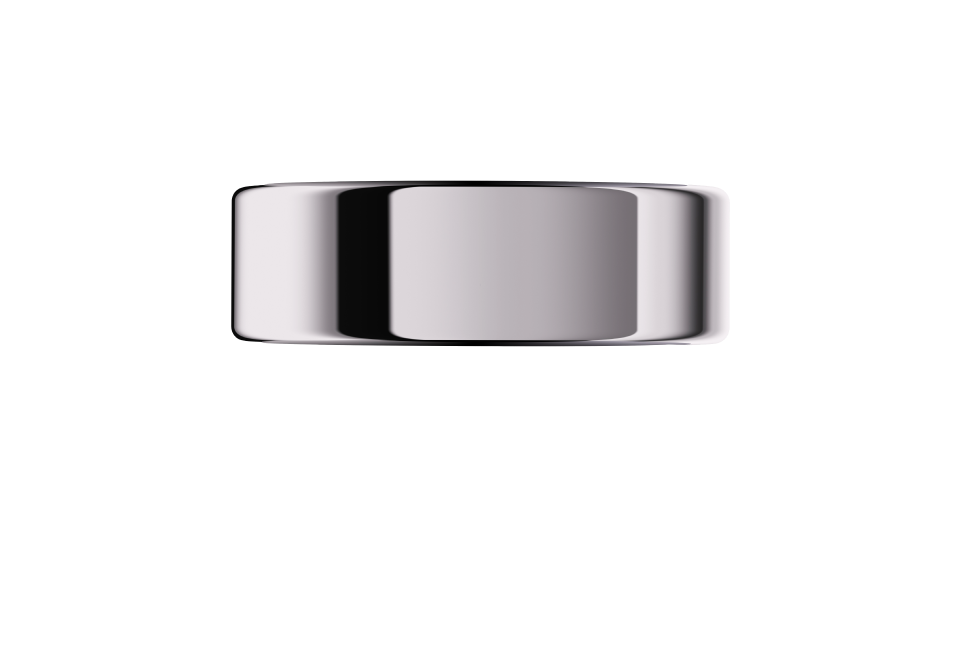
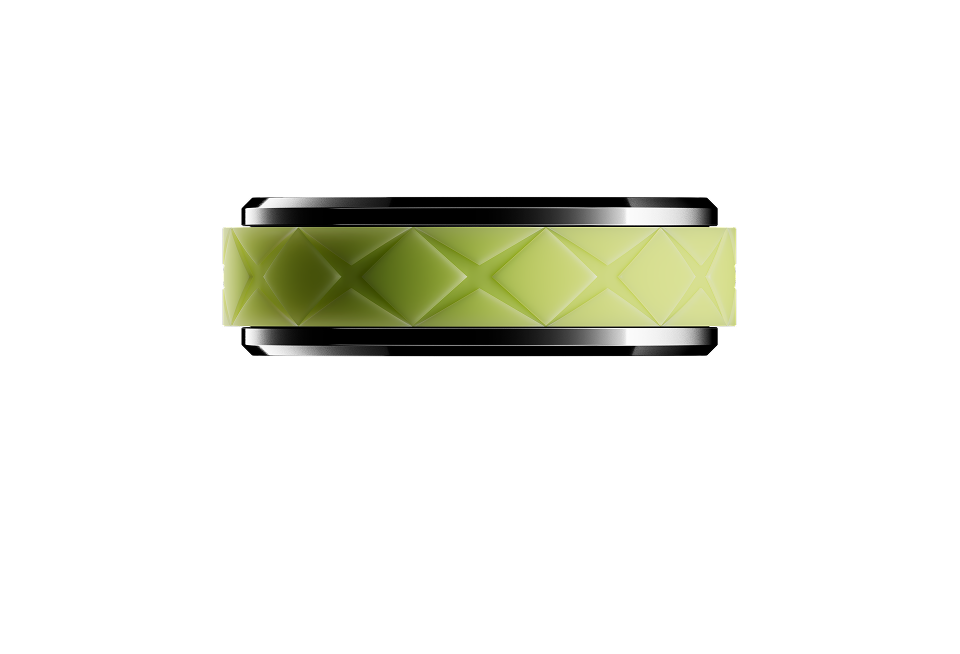
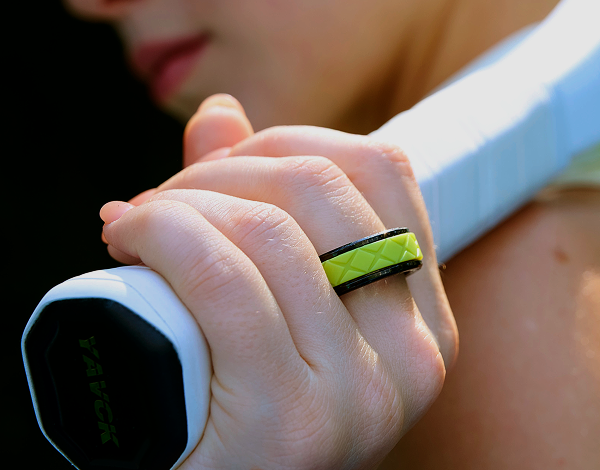
The CUDIS Smart Ring assesses heart rate variability to provide users with recovery and stress data via the CUDIS smart ring app. With a titanium body that's as light as a feather (3g) for the purpose of continuous use, the smart ring interprets your HRV readings through the CUDIS app, presenting Stress Insights that help you understand your triggers and patterns in daily life.
How Do AI algorithms personalize wellness recommendations based on HRV data?
Paired with a fitness ring tracker, the CUDIS app acts as your personal wellness coach,the CUDIS app acts as your personal wellness coach, turning raw HRV data into actionable recommendations. It also tracks SpO2 (blood oxygen levels) and records over 30 activity types from running to rock climbing. Every step, workout, and good night's sleep earns you Health Points, which you can redeem at the CUDIS Store. And CUDIS is completely subscription-free — one-time payment, lifetime access to all smart ring features.
Frequently Asked Questions
What factors can negatively impact HRV?
Several factors can lower HRV. Chronic stress is one of the biggest — it increases sympathetic nervous activity and suppresses HRV over time. Insufficient sleep, lack of physical exercise and poor nutrition, such as a food high in sugar and processed food can decrease HRV. Obesity, diabetes and heart diseases are other factors that highly affect low HRV that are crucial towards implementing the best practices to increase HRV and improve the health.
What is the time frame in which you can elevate HRV?
As a rule, most individuals can notice considerable positive effects within 2 to 4 weeks of making lifestyle changes, including exercising, enhancing sleep quality, and stress reduction. Still, the changes that take place in your life depend on your current lifestyle and the measures for change that you are taking. Quick-win strategies like breathing exercises and better sleep hygiene can show results within days, while the benefits of regular aerobic exercise typically take 6 to 12 weeks to appear. Frequent checking of your HRV numbers with having a wearable device, such as the CUDIS smart ring, will demonstrate the progress to you early on. This will serve as a motivating factor when you start seeing an increased number of HRV.
Why is it important to monitor heart rate variability (HRV) over time?
Monitoring HRV over time helps individuals understand their overall health patterns, which is one of the key benefits of smart ring devices that provide continuous biometric tracking. By tracking HRV consistently, people can identify trends, evaluate the impact of lifestyle factors such as exercise, diet, and sleep, and make informed adjustments. It also allows users to assess the effectiveness of different health strategies and improve their well-being over time.
Share:
HRV by Age: What Normal Heart Rate Variability Looks Like at Every Age
CUDIS vs Oura: Which Smart Ring Actually Makes Sense for You?